
Oil shock builds as Hormuz closure turns strategic standoff
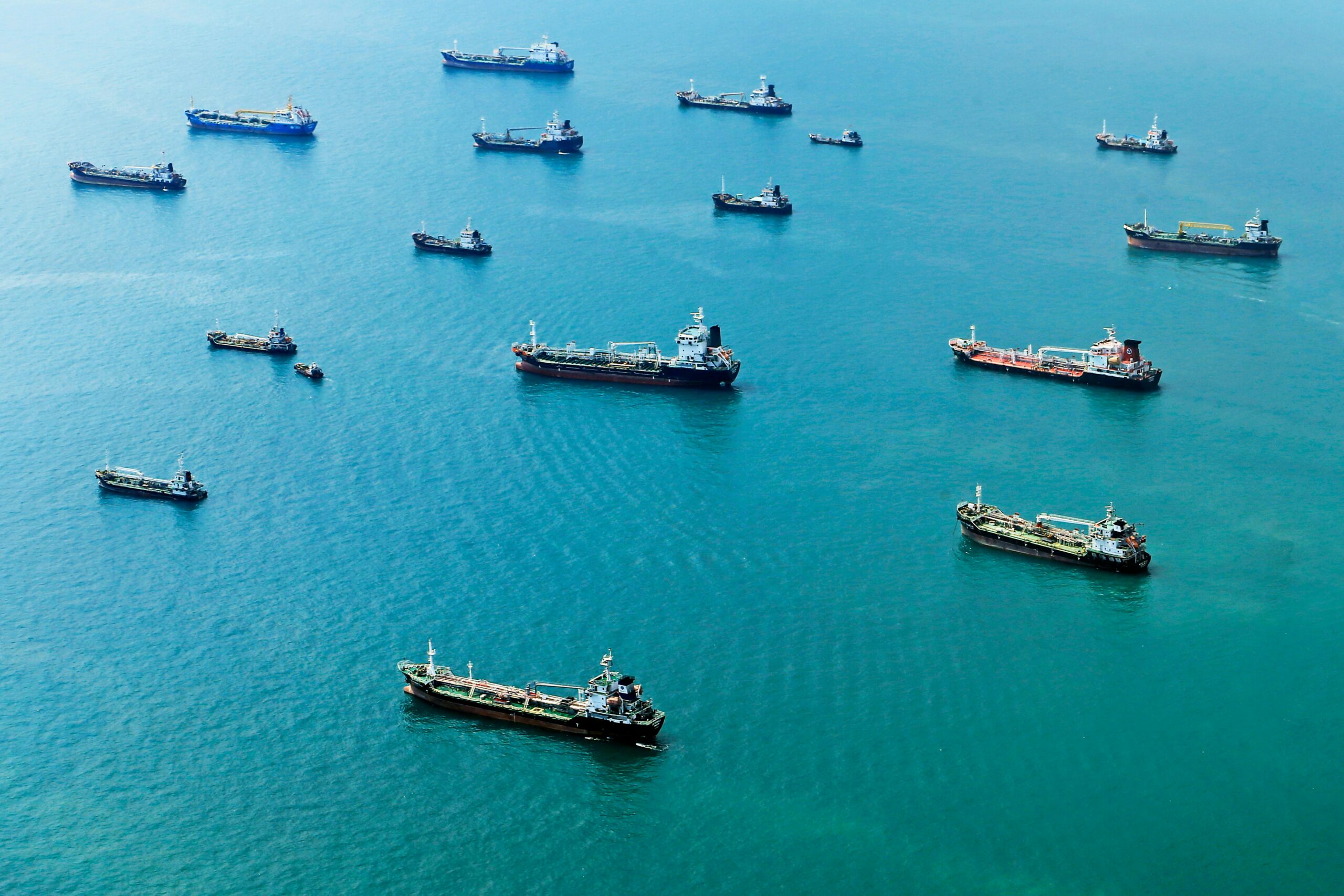
File photo of oil tankers, as tensions around key shipping routes raise supply concerns.
Oil isn’t just rising — it’s pricing in a prolonged geopolitical fracture.
With the Strait of Hormuz still effectively shut, Washington is now pushing for a multinational maritime coalition to restore shipping through one of the world’s most critical energy arteries. Nearly one-fifth of global oil and gas flows through this narrow passage — and right now, that flow is choked.
Brent crude briefly surged past $125, not merely on supply fears, but on the growing realization that this is no short-lived disruption. The market is shifting from reacting to headlines to repricing structural risk.
At the core is a widening deadlock. The U.S. is tightening pressure through sanctions and naval moves, while Iran signals it will continue to disrupt traffic as long as it remains under threat. Neither side appears ready to de-escalate on key demands — particularly over Iran’s nuclear program.
What makes this moment different is duration. Two months into the conflict, the Hormuz disruption is no longer a shock event — it’s becoming a baseline scenario. That raises the stakes beyond energy markets, feeding directly into inflation expectations, transport costs, and political pressure globally.
Even Washington is feeling the strain. Rising fuel prices are beginning to bite domestically, while the cost of the conflict itself continues to mount.
For markets, the message is clear:
this is no longer just about oil supply — it’s about whether one of the world’s most vital trade corridors can function under sustained geopolitical tension.
Based on Reuters reporting