U.S.-Iran Tensions Escalate as Gulf Clashes Renew Fears of Wider Regional Conflict
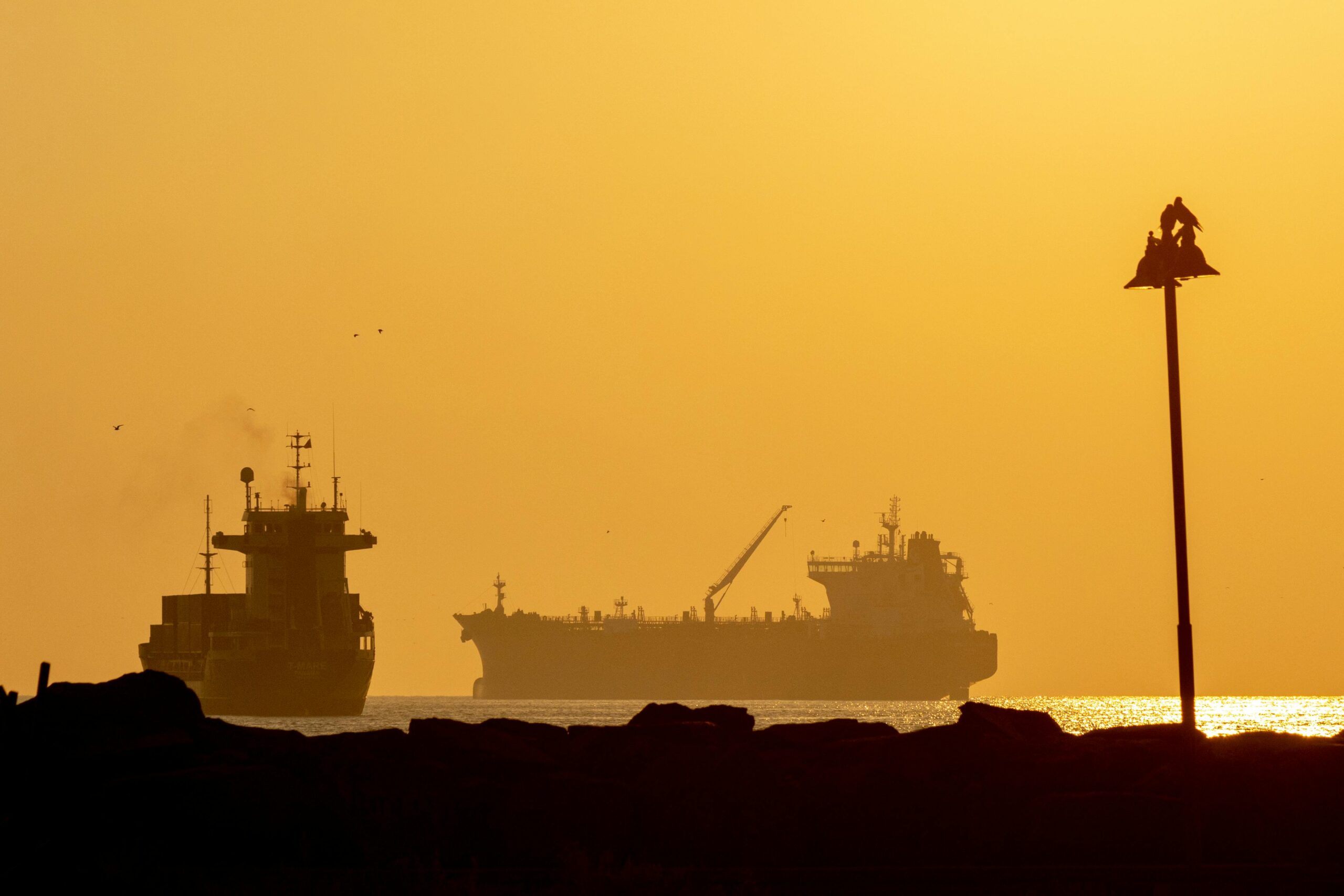
Commercial oil tankers are seen near key maritime routes in the Gulf amid rising geopolitical tensions between the United States and Iran.
Tensions between the United States and Iran showed little sign of easing on Friday as renewed clashes erupted across the Gulf region, underscoring how fragile recent diplomatic efforts remain.
Military activity intensified near key shipping routes, with both sides accusing each other of escalating the conflict despite ongoing discussions aimed at preventing a broader regional war. Reports of drone strikes and maritime confrontations have continued to raise concerns among global energy markets and international security analysts.
Officials in Washington said the U.S. is still waiting for a formal response from Tehran regarding proposals intended to reduce hostilities. At the same time, the Biden administration has expanded sanctions targeting networks allegedly connected to Iran’s drone and weapons programs, including entities operating through China and Hong Kong.
Iranian authorities, meanwhile, accused the United States of repeatedly violating informal ceasefire understandings reached earlier this month. Tehran also signaled it would continue resisting any attempts to restrict its naval operations in the Gulf.
The situation around the Strait of Hormuz remains especially sensitive. The narrow waterway handles a significant portion of the world’s oil exports, meaning any prolonged disruption could trigger higher fuel prices, increased shipping costs, and renewed inflationary pressure worldwide.
Intelligence assessments cited by regional observers suggest Iran may still be capable of sustaining operations under heavy economic and naval pressure for an extended period, reducing expectations for a quick resolution to the crisis.
As diplomatic negotiations stall and military exchanges continue, analysts warn that the risk of a wider regional escalation remains elevated.
Based on reporting from Reuters and additional regional sources.