
U.S. Expands Oil Crackdown as Venezuela Labeled Terror Group, Tanker Networks Come Under Pressure
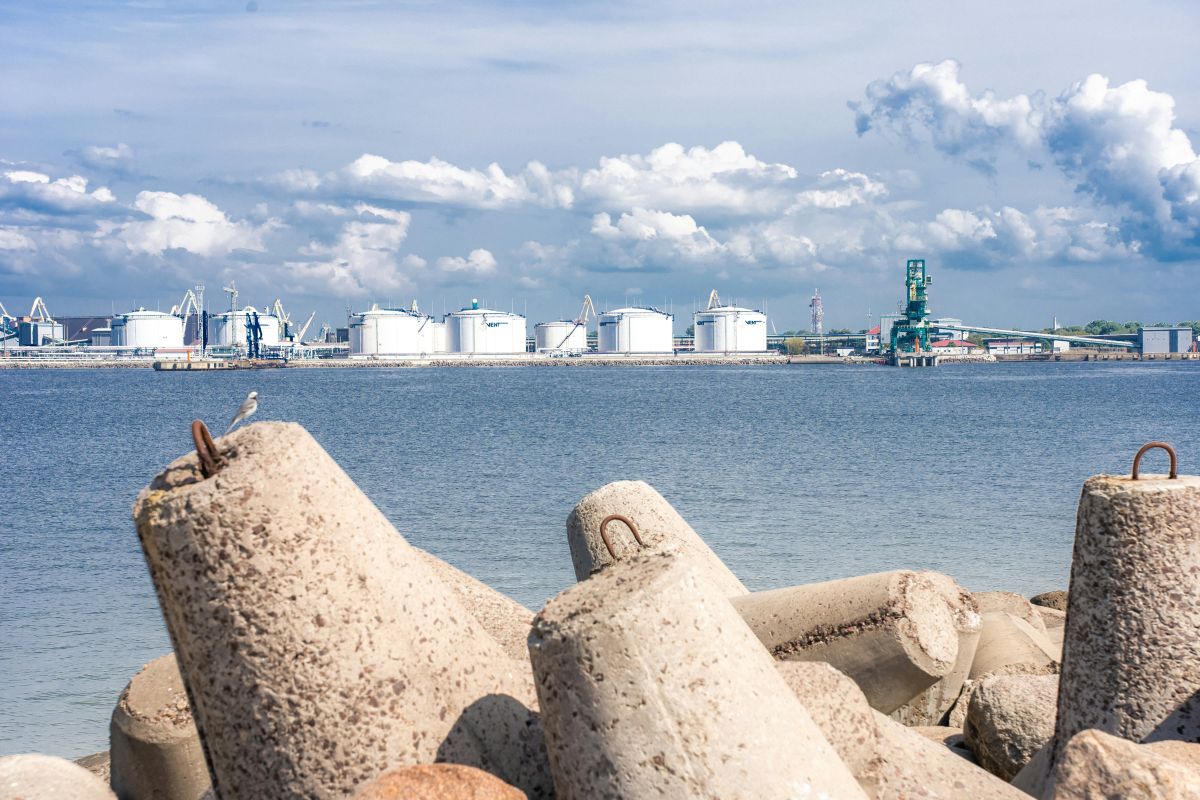
Oil storage facilities along strategic export routes
The United States is escalating pressure on global oil flows after designating Venezuela’s ruling regime as a foreign terrorist organization and widening enforcement against tanker networks tied to sanctioned crude.
The move signals a shift from targeting individual exports to disrupting the broader maritime system that enables sanctioned oil to reach international markets.
According to maritime intelligence from Windward AI, several recently sanctioned vessels linked to Iran are now exhibiting irregular tracking patterns. These include erratic voyage signals and false port data suggesting cargo operations near Iraqi terminals.
Such behavior is widely associated with AIS manipulation, a tactic used to disguise the origin of oil shipments and bypass compliance checks.
The crackdown comes as U.S. maritime enforcement intensifies, with early indications that Iranian oil exports have been significantly reduced as vessels face growing restrictions and operational bottlenecks.
Iranian officials have criticized the measures, with Mohammad Ghalibaf warning of economic and geopolitical consequences tied to the expanding blockade strategy.
The bigger picture
The developments highlight a broader shift in sanctions enforcement: the focus is moving beyond individual tankers to the networks and data systems that sustain illicit oil trade.
As spoofing tactics become more sophisticated, tracking sanctioned flows is increasingly a matter of intelligence—not just enforcement at sea.ing individual tankers may have diminishing returns. The real battleground is the network itself—and the digital systems it exploits.
Based on maritime intelligence data from Windward AI