
US and Iran remain far apart as Gulf clashes threaten fragile truce
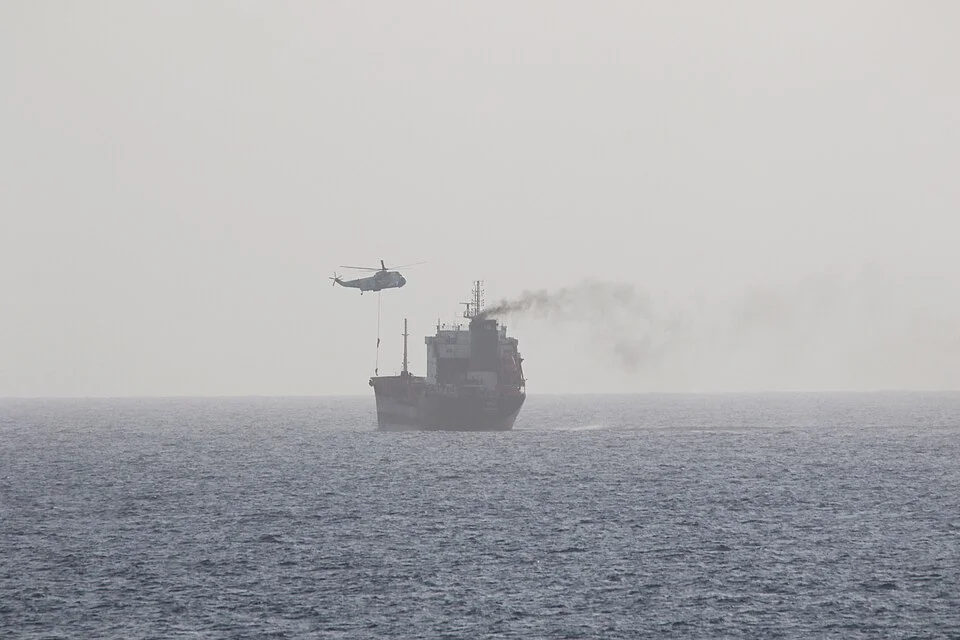
File photo of Iranian forces boarding a commercial tanker in Gulf waters.
Fighting between U.S. and Iranian-backed forces intensified across parts of the Gulf region on Friday, underscoring how little progress has been made toward ending a conflict that diplomats increasingly fear could spiral into a broader regional crisis.
Despite weeks of indirect negotiations involving Gulf states, European intermediaries, and Chinese officials, both Washington and Tehran appear no closer to a meaningful breakthrough. Fresh exchanges involving drones, missile strikes, and naval incidents near key shipping lanes have instead deepened concerns that the current ceasefire framework may be beginning to fracture.
Military activity reportedly increased near the Strait of Hormuz, where several commercial vessels altered routes after renewed security warnings. Energy markets reacted cautiously, with traders watching for any disruption to one of the world’s most strategically important oil transit corridors.
The latest escalation reflects a deeper problem facing negotiators: neither side appears willing to compromise on the core issues driving the conflict. The United States continues to demand limits on Iran-backed militia activity across the region, while Tehran insists Washington must reduce military pressure and sanctions before broader talks can move forward.
Regional analysts say the conflict has entered a dangerous middle phase — intense enough to destabilize shipping, investment, and diplomacy, but still falling short of a full-scale conventional war. That ambiguity has made de-escalation especially difficult, as both sides attempt to project strength without triggering direct confrontation.
China, which has tried to position itself as a stabilizing diplomatic actor in the Gulf, urged restraint again this week. Beijing warned that continued instability could threaten global trade flows and further damage already fragile economic conditions worldwide.
Meanwhile, Gulf states are growing increasingly uneasy about being pulled deeper into the standoff. Several governments in the region have privately pushed for emergency talks aimed at preventing attacks on energy infrastructure or commercial shipping routes.
While officials publicly continue to describe negotiations as “ongoing,” recent battlefield developments suggest diplomacy is struggling to keep pace with events on the ground. The longer clashes continue without a clear political framework, the greater the risk that localized incidents could trigger a wider regional confrontation involving multiple powers.
For now, both Washington and Tehran appear focused less on securing peace than on avoiding the perception of strategic retreat — a dynamic that continues to narrow the space for compromise.
Source: Reuters reporting on renewed Gulf clashes, regional diplomacy efforts, and ongoing tensions between the United States and Iran.
.