
US, Iran move closer to framework deal as Hormuz dispute persists
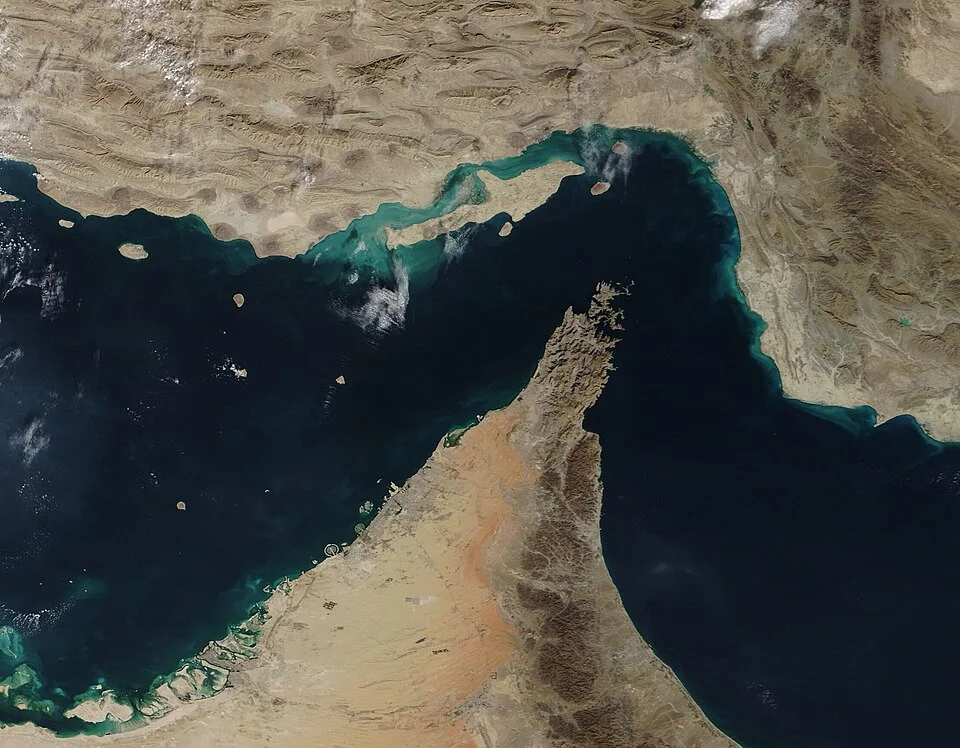
File photo: The narrow Strait of Hormuz lies between the Persian Gulf and the Gulf of Oman
The United States and Iran appear to be nearing a preliminary agreement aimed at easing months of escalating tensions, though disagreements over the reopening of the Strait of Hormuz continue to complicate negotiations.
Speaking over the weekend, U.S. President Donald Trump said discussions between Washington and Tehran were “largely negotiated,” signaling that major elements of a potential framework had already been settled. He cautioned, however, that no final agreement had been reached and that several critical issues remained unresolved.
Diplomatic sources familiar with the talks said one of the central sticking points involves maritime access through the Strait of Hormuz, a vital global energy corridor that has faced repeated disruptions amid the broader confrontation between the two countries.
Officials involved in the negotiations said both sides are exploring measures that could restore commercial shipping flows while reducing the risk of further military escalation in the Gulf region. Analysts note that any breakthrough on Hormuz would likely ease pressure on global oil markets, which have reacted sharply to recent instability in the Middle East.
Despite signs of progress, negotiators remain divided over enforcement mechanisms, regional security guarantees and the timeline for implementing any future commitments. Iranian representatives have reportedly pushed for broader assurances regarding sanctions and military activity, while Washington continues to seek stronger safeguards tied to shipping security and regional stability.
Neither side has released details of the draft arrangements currently under discussion, and officials cautioned that talks could still shift significantly before any formal announcement is made.
The latest diplomatic push follows months of heightened friction that raised concerns about wider conflict across the region and threatened one of the world’s most strategically important trade routes.
Source: Reporting based on coverage by Reuters and other international media outlets.
.